Monotype · Portrait
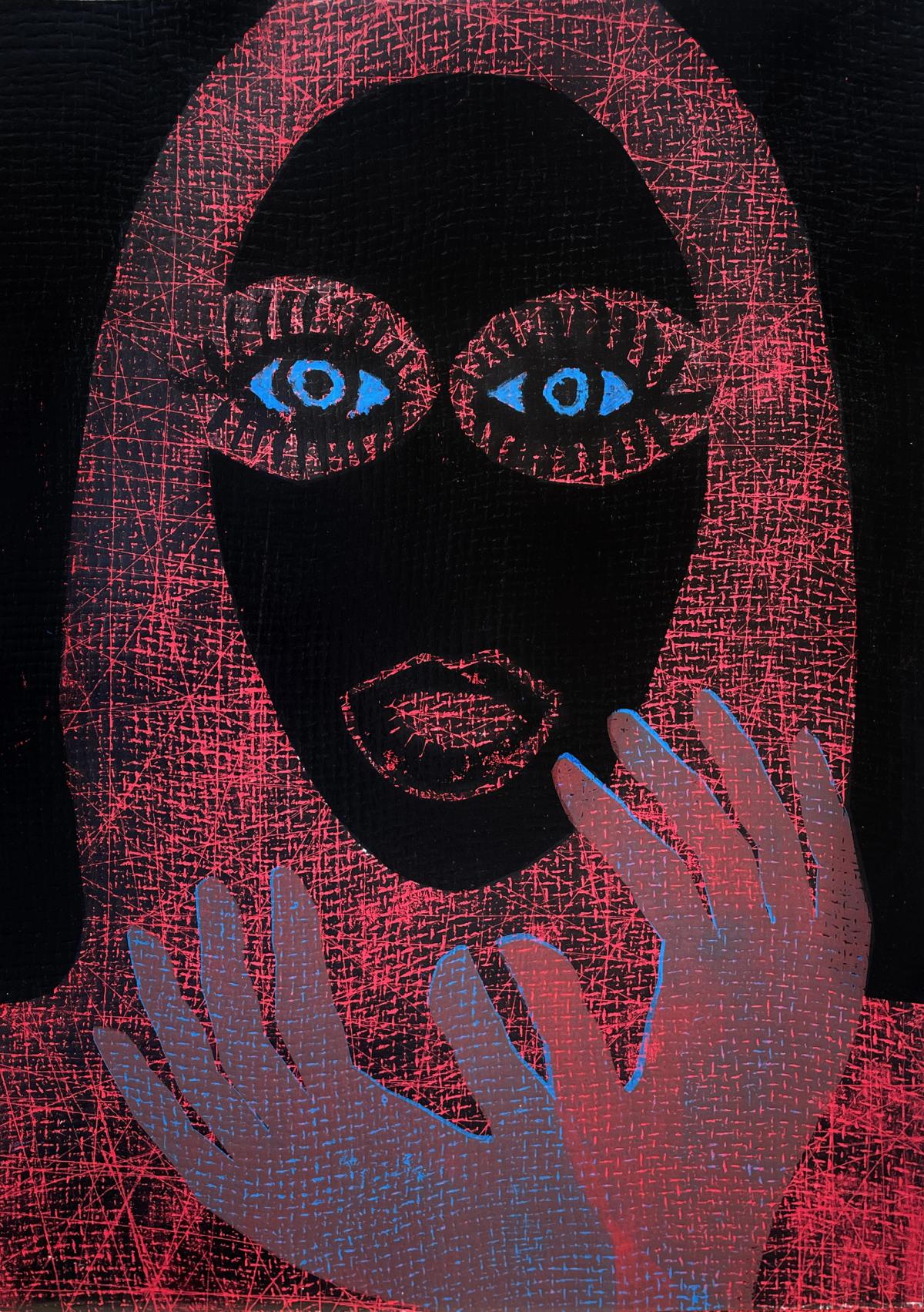
Pixelated Artwork – Black Portrait
$350
Secure checkout via Stripe. Shipping arranged directly with the artist.
Terms & Conditions / Return Policy
Product Details
- Rarity
- One-of-a-kind Artwork
- Shipping
- shipping included in price
- Ready to Hang
- no
- Authenticity
- Certificate of authenticity is included
- Packaging
- tube
About This Piece
Pixel art is undoubtedly a form of digital art. It is defined as a square of 1⁄96 inch (0.26 mm) in with and height. A pixel, which represents a specific color, is the smallest uniform element of an image displayed on electronic devices such as computer screens, iPads, or phones. With pixels, artists can create intricate and detailed images, incorporating color transitions, tones, and gradients. However, the results depend on the resolution, i.e. the density with which the pixels are projected into the image. This applies in the world of graphic design. Digital art dominates the field and the theme of resolution is central. Especially when the artwork is being prepared for print, then the resolution should be high – 300 dpi (dot per inch). Such a resolution allows for good quality prints even fine art prints. It also conveys the detail in the digital image making both printed, and digital pictures aesthetically pleasing.
Our tech-heavy existence these days means that pixels are all around us and we’re constantly looking at them, so it’s unsurprising that I came on the idea to incorporate pixelated art into my works. If art is a reflection of life, there should if anything be more pixel-inspired works out there. The humble pixel is pretty nondescript on its own, but can give rise to some interesting effects of art when combined intelligently with others.
The most captivating images are those that are rich in detail, allowing our gaze to wander through their composition in suspense, eagerly anticipating the discovery of interesting forms or harmonious colors. However, it is important to note that while images are composed of pixels, in most cases we do not want to see them. When pixels are visible, it indicates poor resolution, which is a disadvantage that we strive to avoid. Therefore, pixelated art is not desirable in this context.
So pixels serve from 20th century both; art and design.
Pixelated artwork as monotype – The style is inspired by a close-up of a pixelated photo
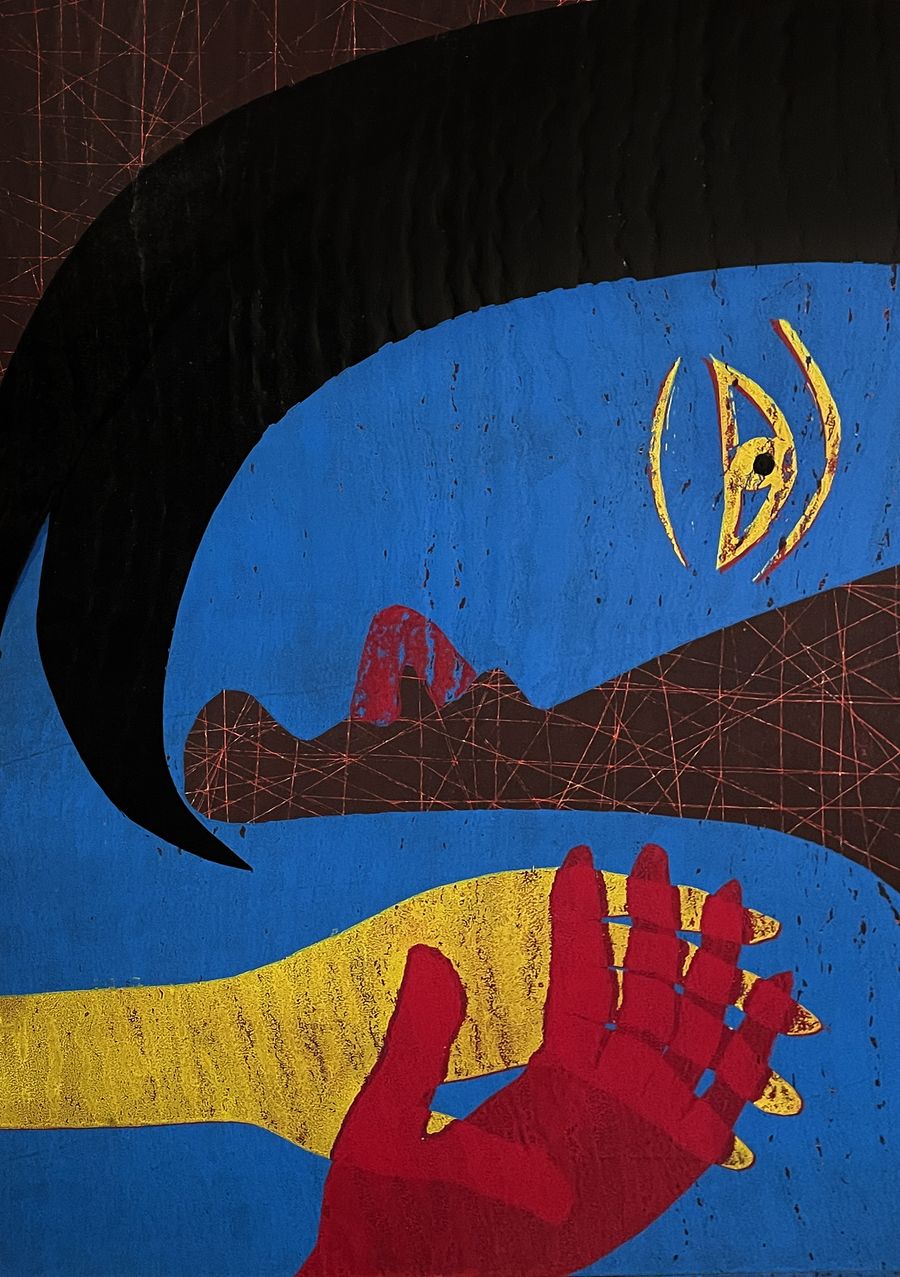
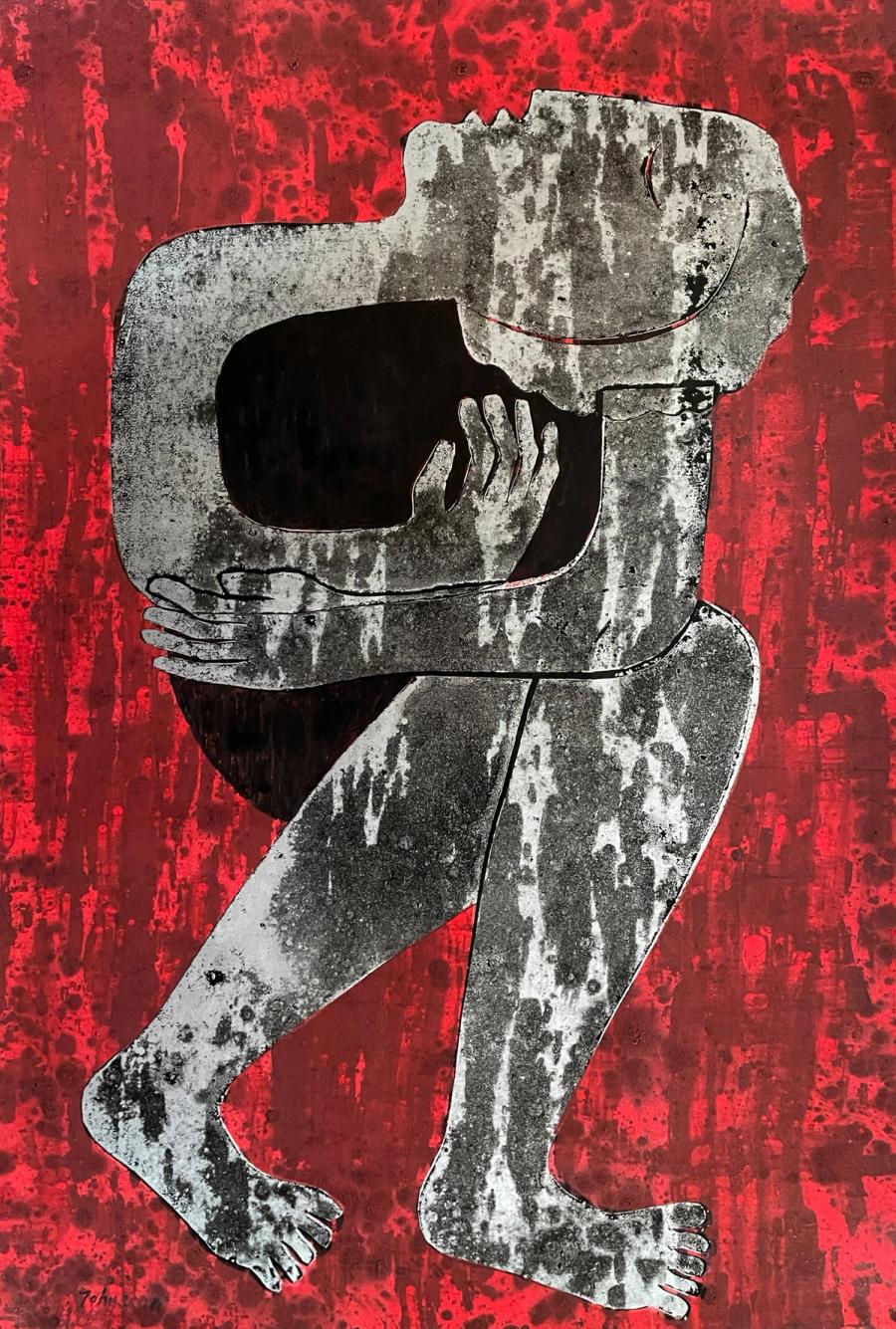
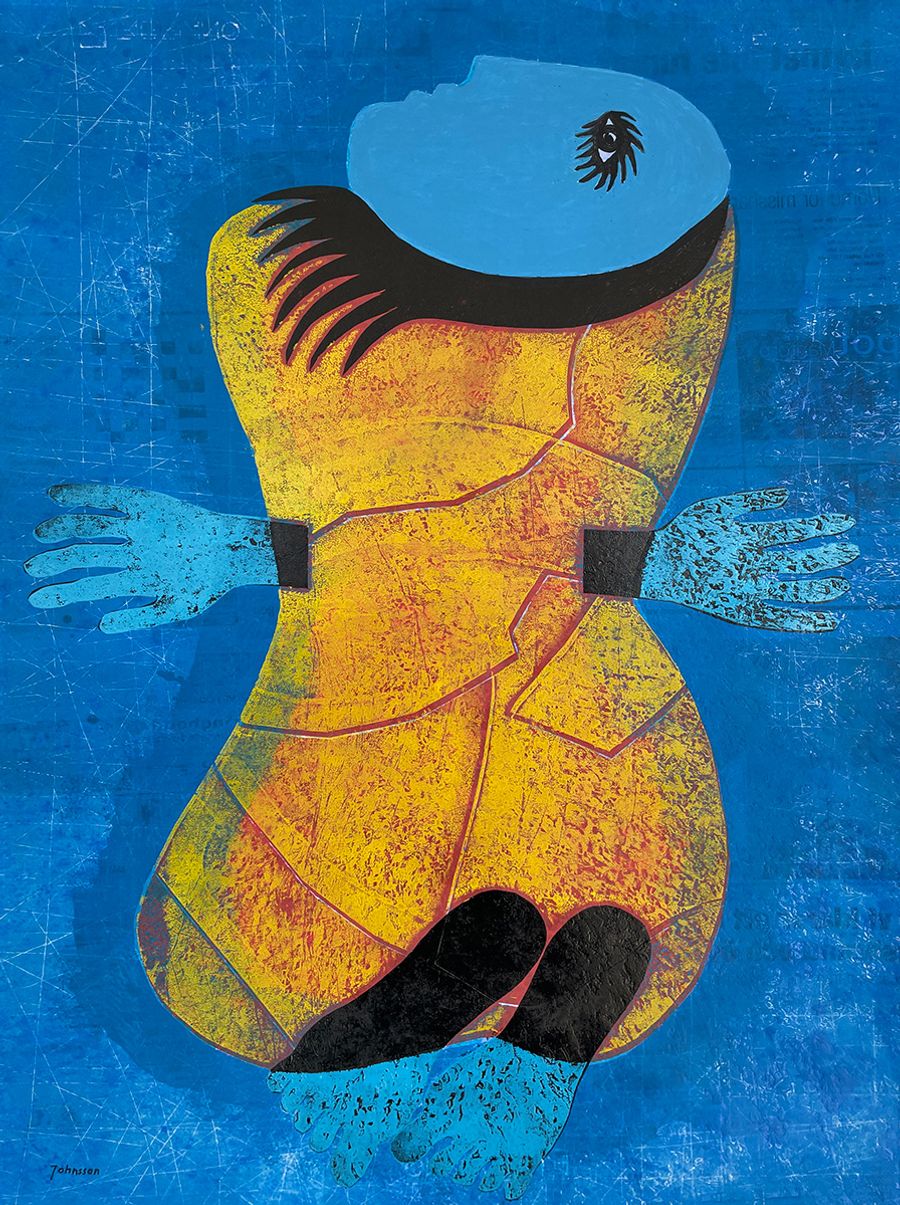
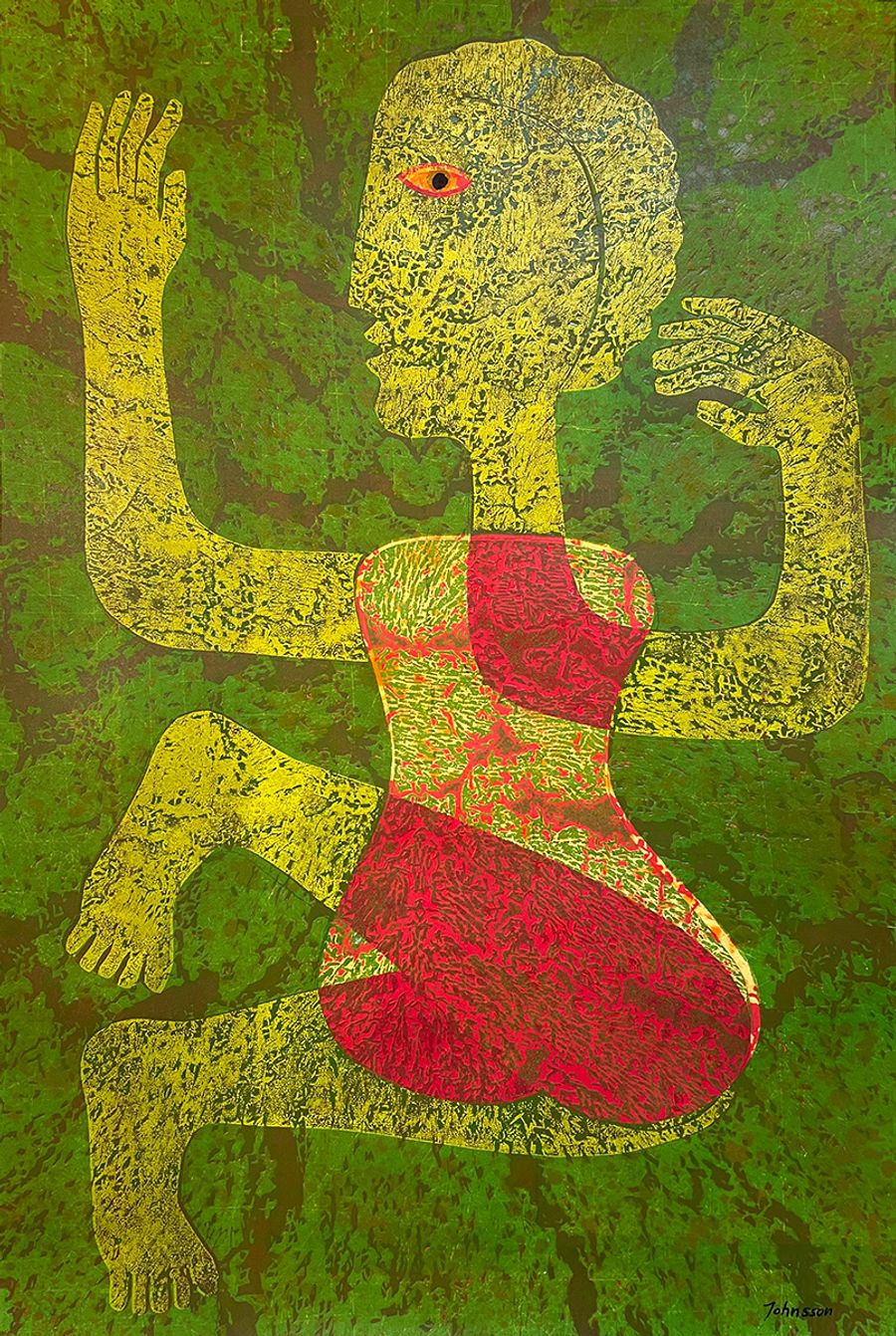
This black woman portrait is not a digital image but a physical artwork created using the monotype technique on paper. The overall structure of this composition resembles the arrangement of pixels in a low-resolution image. I deliberately made this choice to bring pixel art to paper, offering viewers an alternative to digital images and allowing them to experience pixels beyond the confines of electronic displays. In this way I worked as pixelated art maker. Whether I have succeeded in this endeavour is subjective and up to individual judgment. Nevertheless, this monotype was meticulously crafted in my studio using printing inks, which were applied with a roller onto the matrix. The assistance of a graphic press was invaluable, as its roller ran over the artwork multiple times. The end result is a pixelated artwork, devoid of actual pixels. This kind of pixelated paintings emerged in my studio. So this Black women is not alone, she has many companions portrayed within a serie. Pixelated art ideas appear when the first is done. I always strive to work in series, as I feel, that one picture is not enough to express oneself.
The monotype technique allows me to embrace spontaneity in my work and make quick, unexpected decisions. I liken this type of work to jazz music. Just as a musician has notes in front of them, reads them, and plays accordingly, I follow a similar process in monotyping. However, I also allow myself to deviate from the initial plan and improvise.
In this technique, there are moments that are purely graphic, where I adhere to the rules of printmaking: ensuring a clean print and a good overprint. But then, there comes a moment of relaxation, where I introduce some inaccuracy. This element of imperfection is typically unacceptable in other printmaking techniques like engraving etching. It is at the intersection of these two approaches that the most intriguing and captivating results emerge.
Reviews
No reviews yet. Be the first to share your thoughts.
More to Explore