August 5, 2026
The colour grey
A tin of silver printing ink, a pair of scissors, and the ordinary people I keep returning to.
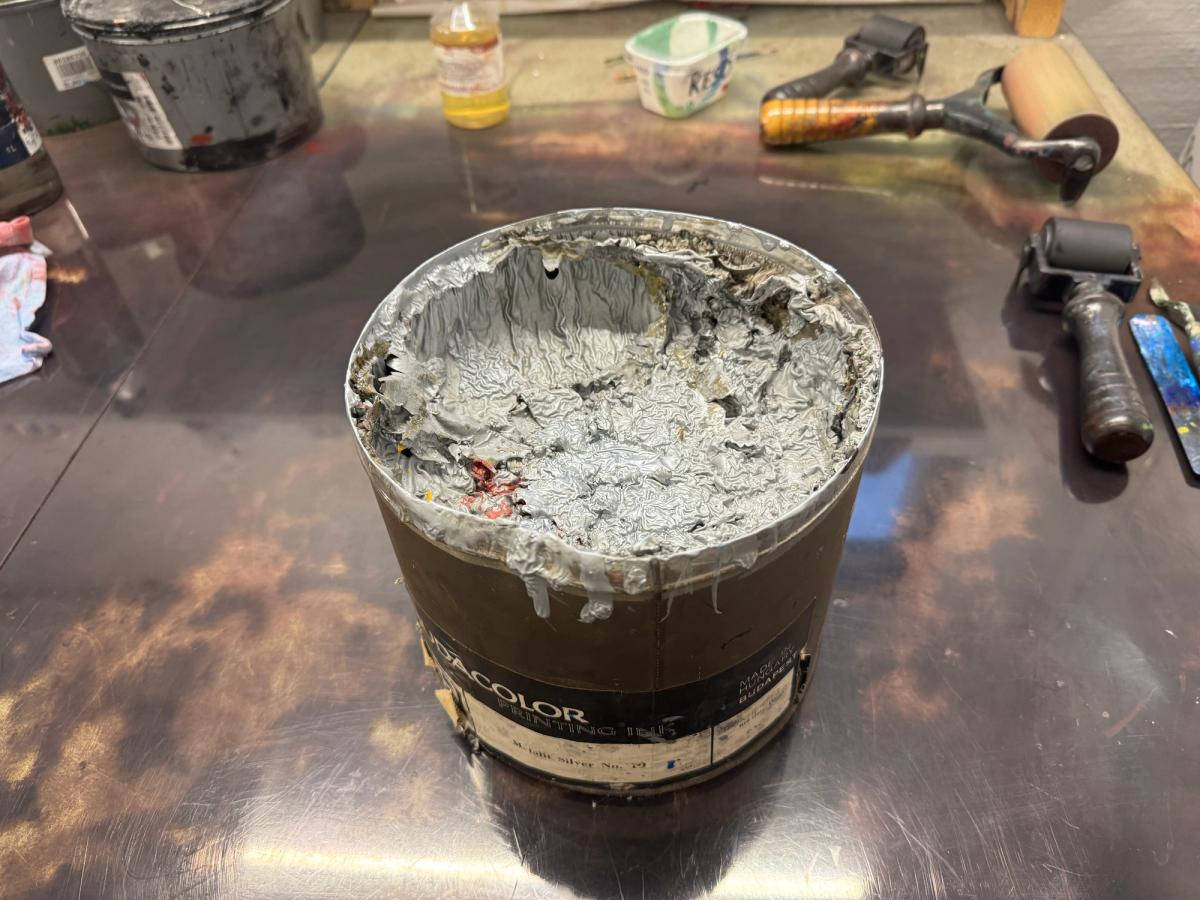
An open tin of silver-grey printing ink on Jolanta Johnsson's studio table, with a roller and a cut aluminium matrix beside it.The tin of grey ink in my studio — a thin dry crust on top, and beneath it the silver I keep going back to.
Is grey a colour? It is made by mixing white and black. Grey stands for monotony and the commonplace, the opposite of colour, which we associate with everything pure and bright. That is why, in everyday speech, grey means the absence of colour. Colourlessness.
And in spite of this rather unattractive reputation, I chose grey as the dominant note in many of my monotypes.
The choice also had practical reasons. A few years ago a colleague gave me a large tin of grey printing ink. The ink contains a fine metal powder — so I assume. And the metal is aluminium — that too I assume. Whatever it is, the grey of that ink is a gleaming, silvery grey, and the prints it gives are sharp and definite.
It has one more important virtue. In an open tin it does not dry out the way other offset inks do. I do not have to be careful about closing it. Each time I need it, I break the thin dry crust on the surface, take my portion, and roll it out.
Well. Artistic decisions cannot rest on the behaviour of a tin of ink.
That silvery grey is the colour I use for the human figures I build from separate cut pieces. What emerges are figures imperfect in form — clumsy, I would say. Most often hunched, seldom upright.
These are ordinary, grey people. Monotonous and commonplace, like their colour.
The wish to picture such people has been with me for a long time. It goes against the fashion for the exceptional and the beautiful that trends and social media promote so hard. Sometimes it seems to me that we are living inside an enchanted whirl of promotion for things nobody can reach.
And meanwhile the life of ordinary people goes on. In that ordinariness there are a great many good moments, a great deal of community, and much that passes between one person and another.
Sometimes, walking across a summer meadow, I think that we have no chance of knowing the life going on down in the grass. Yes — many patient botanists have described the species and the habits of those who live there. That helps a little. Not entirely.
Will I understand the ordinary, grey person by picturing him in my monotypes?
A technique of my own
I make my monotypes in a technique of my own. I use simple materials that are close at hand — thin aluminium sheet, waste from a printing house, or even ordinary cardboard. Scissors are my tool. I cut and I trim the forms. I look for the right shapes. That is what I call working in a technique of my own.
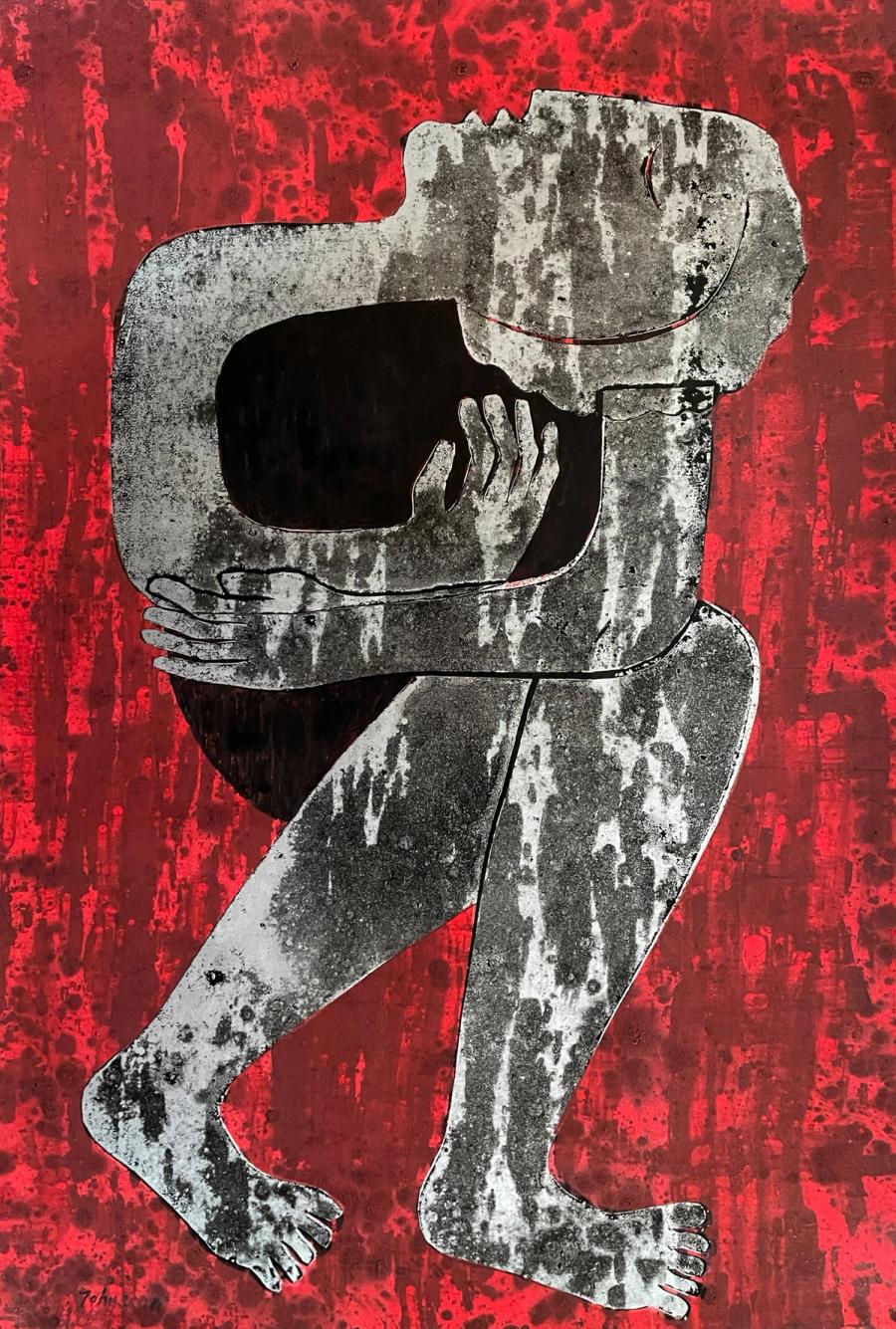
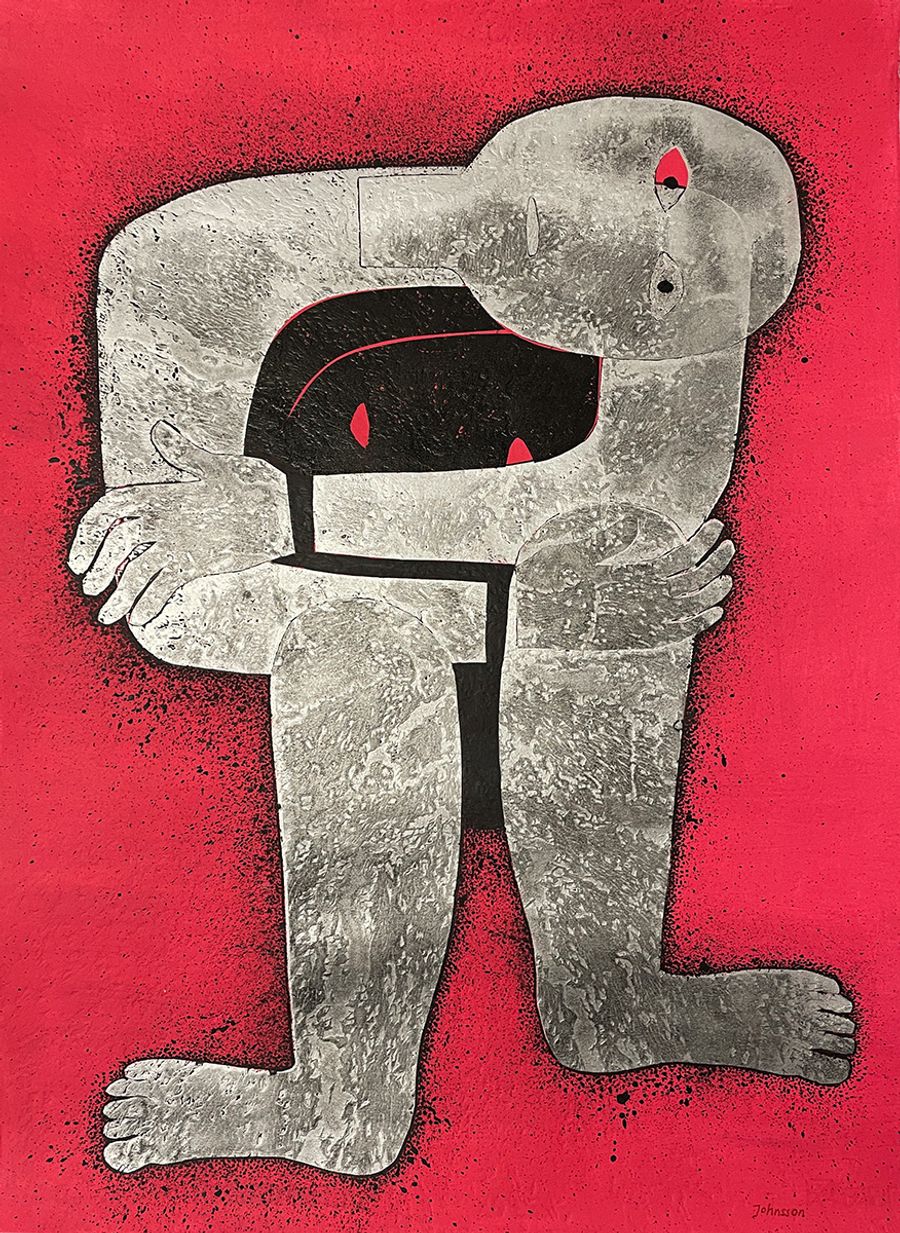
You can see the results in two works. The Grey Man — a figure hunched around something dark he holds against his chest, on a ground of burning red. And Grey Eyes — a woman whose eyes the title names and the picture never shows.
See The Grey Man →
See Grey Eyes →
Both are monotypes on Fabriano paper, made in 2024, hand-finished and signed. Each one exists only once.
So I will leave you with the question I have been carrying around the studio: does grey suit them? I read every reply.
Studio Letters
A letter from the studio, once a month.
The stories behind the work — and the first look at new pieces, before they go anywhere else. Written from Boxholm, to one person, not to a list.
No noise, no selling. One letter a month, and you can step away any time.
Featured In This Article
Artworks
Continue Reading
More From the Studio
Sep 19
For years I titled my paintings the way you'd label a box: "Woman Sitting," "Landscape, Autumn." Then a gallerist told me, plainly, that I needed to do better — and sent me looking at Monet, Cézanne and the Dadaists to understand why a title is never just a label.
Sep 5
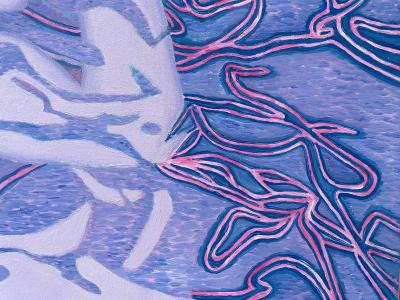
Can Color be a shelter?
A painting built from one question: can a colour become a place to hide inside? Jolanta Johnsson on making Pink as Shelter, the politics of pink, and the figure who chose the colour and made it her own.
Aug 21
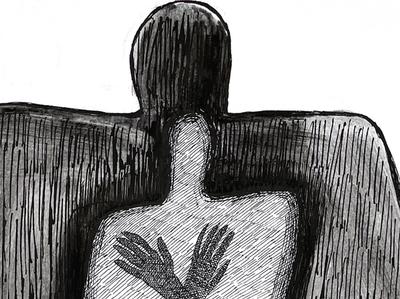
An Angel, Not a Man
Do angels exist? Faith says one thing and science another — yet almost everyone would quietly like one of their own. A pen-and-ink drawing from 1997 about being held, and about the people we describe, in Polish, as an angel rather than a man.
Interested in Jolanta's work? Browse the gallery or get in touch.