September 19, 2026
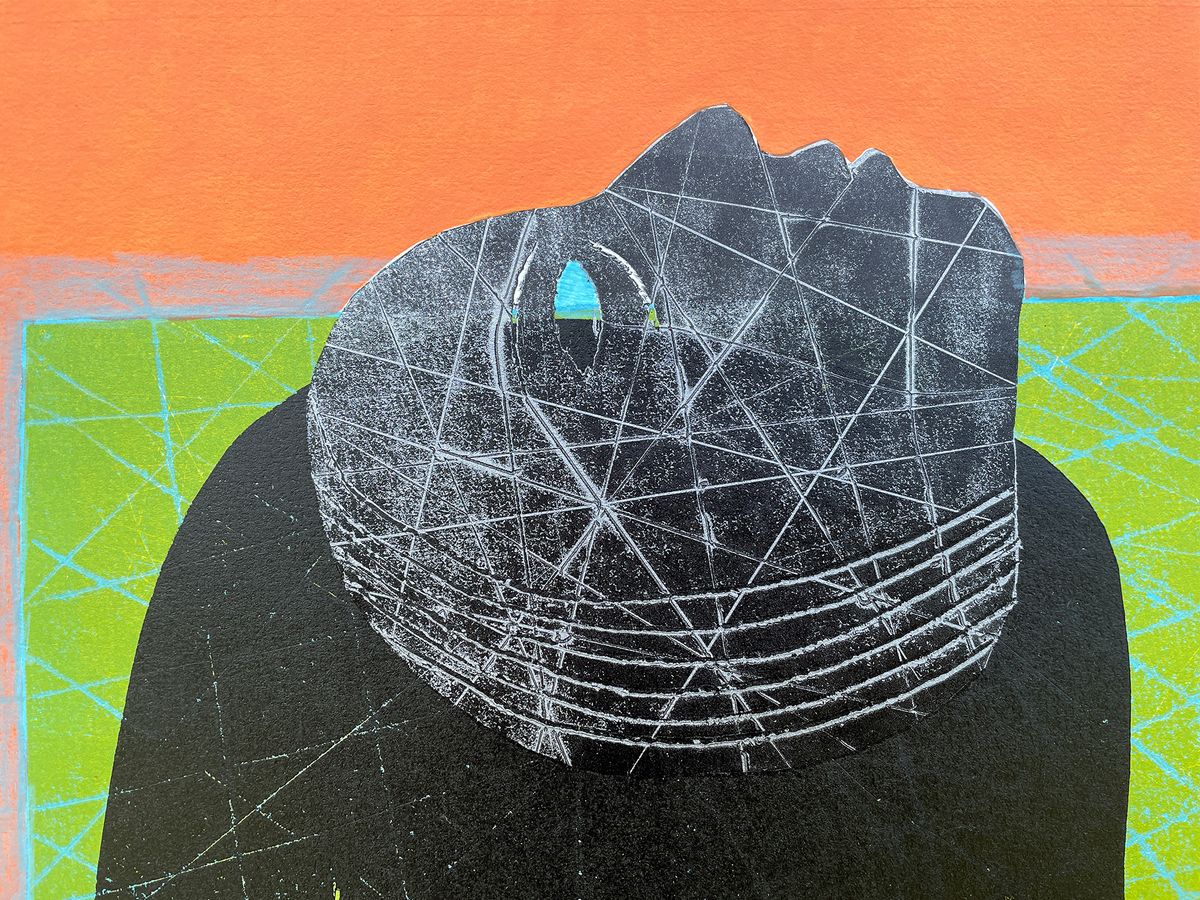
For years a title was just a label to me. Then a gallerist told me, plainly, that I needed to do it properly — and sent me looking at Monet, Cézanne and the Dadaists to understand why.
There was a time I never asked myself this question. It seemed obvious: the title would simply say what was in the painting. A woman sitting on a chair became “Woman Sitting.” A woman lying down became “Woman Lying.” When a series began, it got trickier — I could vary it slightly, “The Woman Who Lies,” “The Woman Who Sits” — and once the series had grown, I would give it one title, “Woman Lying,” and number the paintings after it: from the series “Woman Lying,” 1, 2, 3…
A landscape carried the word “landscape” in its title too, of course, with an adjective added where needed: autumn, spring, magical, green.
This way of titling felt logical, natural. A title was a label, and not a very significant one — in keeping with the belief that a painting speaks for itself, that as a visual medium it doesn’t need words.
Maybe painting is enough
In an earlier piece, I asked whether a visual artist should write about their own work. One artist left a comment I keep thinking about: “I think my painting is my way of writing.” I believe many artists share that view — they focus on painting and don’t trouble themselves with writing. I suspect titling doesn’t take up much of their time either.
My own thinking changed when a gallerist, Maria, told me plainly that I needed to title my paintings well. She proposed new versions — poetic ones, suggesting more than the painting itself, reaching even beyond the thoughts that had accompanied me while I painted.
Maria, on the other side
Maria was standing on the other side — the side of the person receiving the work. She understood what a viewer needs, and she knew that a buyer needs help at the moment of deciding to purchase. Buying a painting isn’t only a transaction. It’s a decision to live with that painting, to keep it close for a long time.
Is the title of any consequence, at the moment that decision is made?
What museums still do
When I walk through museums, I notice that most titles are still built to announce what a painting shows — not unlike my old “women sitting.” With a famous artist, we tend to admire the work and barely register the title at all. Take Claude Monet’s series of Rouen Cathedral — twenty-five paintings, every one titled “Cathédrale de Rouen,” differing only in a descriptive note. Or Mont Sainte-Victoire, the motif Paul Cézanne painted more than eighty times. Could he really have invented eighty different titles?
For both artists, history has shown the title to be a secondary matter.
What the Dadaists understood
It was the Dadaists who found the real potential in titling a work. They saw in it a chance to overturn meaning, to play with the viewer. Above all, they stripped the title of its “titular” role. A work’s name became an autonomous element — it no longer had to announce anything. At most, it could intrigue, or surprise.
Take “L.H.O.O.Q.” — a title that gives you no way to guess it names a portrait of the Mona Lisa with a moustache. Marcel Duchamp, its author, liked to play with the viewer’s imagination through his titles too. His readymade urinal, named “Fountain,” already has its place in art history.
I could go on multiplying examples from the Dadaists’ work.
A contemporary artist — who often has to be the manager of their own art — can see, in this short piece of text, a chance to name a work in keeping with their own intentions, but also to hold something more. A few words, maybe even a single word, can carry the power to invite communication not only on the visual level, but into the artist’s own world of imagination and intent.
If I had to answer the question in this article’s title, I wouldn’t offer a simple recipe. What I want, by asking it, is to draw attention to this small piece of text — and to invite you to notice the role it plays, between an artist and the person standing in front of the work.
When you stand in front of a painting, does its title change what you see — or do you look past it entirely?
Studio Letters
A letter from the studio, once a month.
The story behind a work — what I was living or questioning while it was being made — and the first look at new pieces, before they go anywhere else. Written from Boxholm, to one person, not to a list.
No noise, no selling. One letter a month, and you can step away any time.
Featured In This Article
Artworks
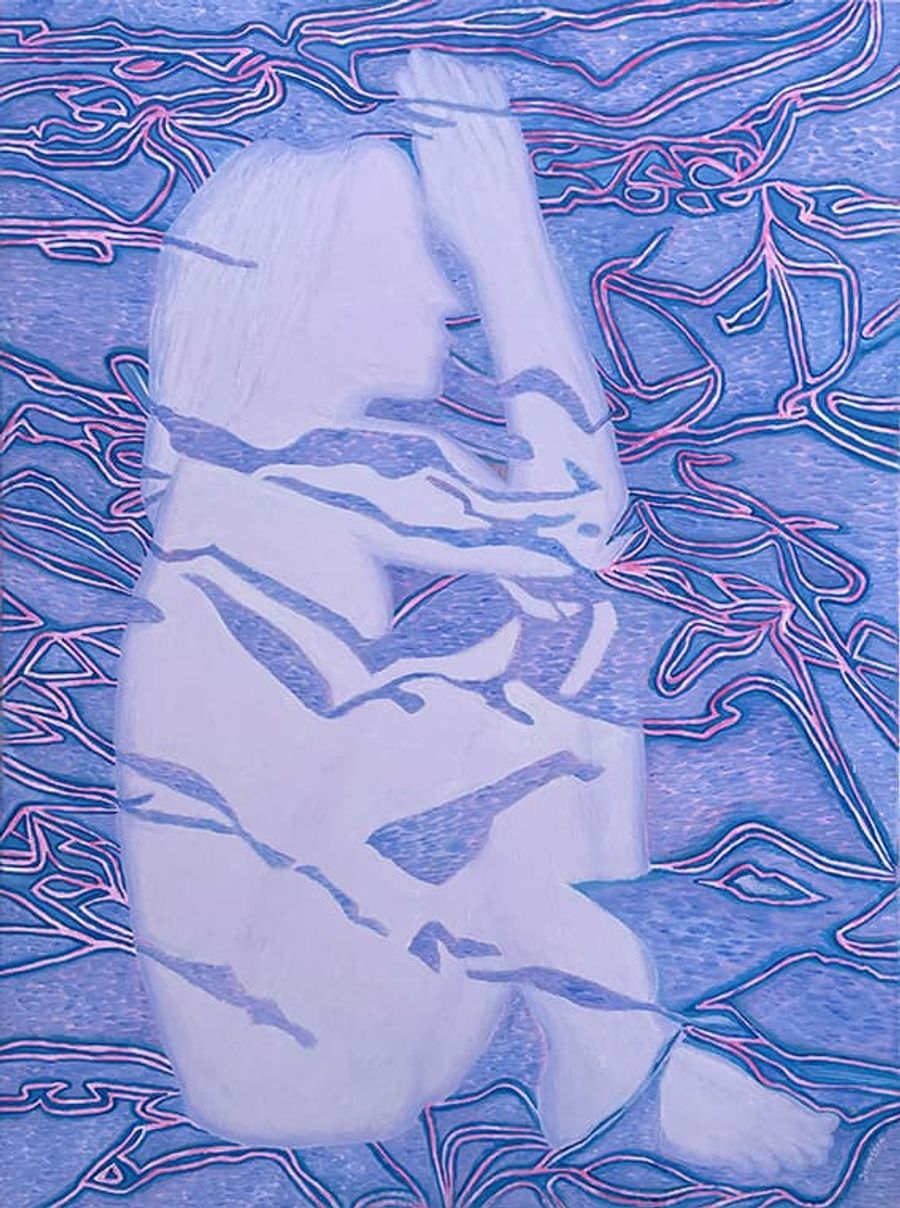
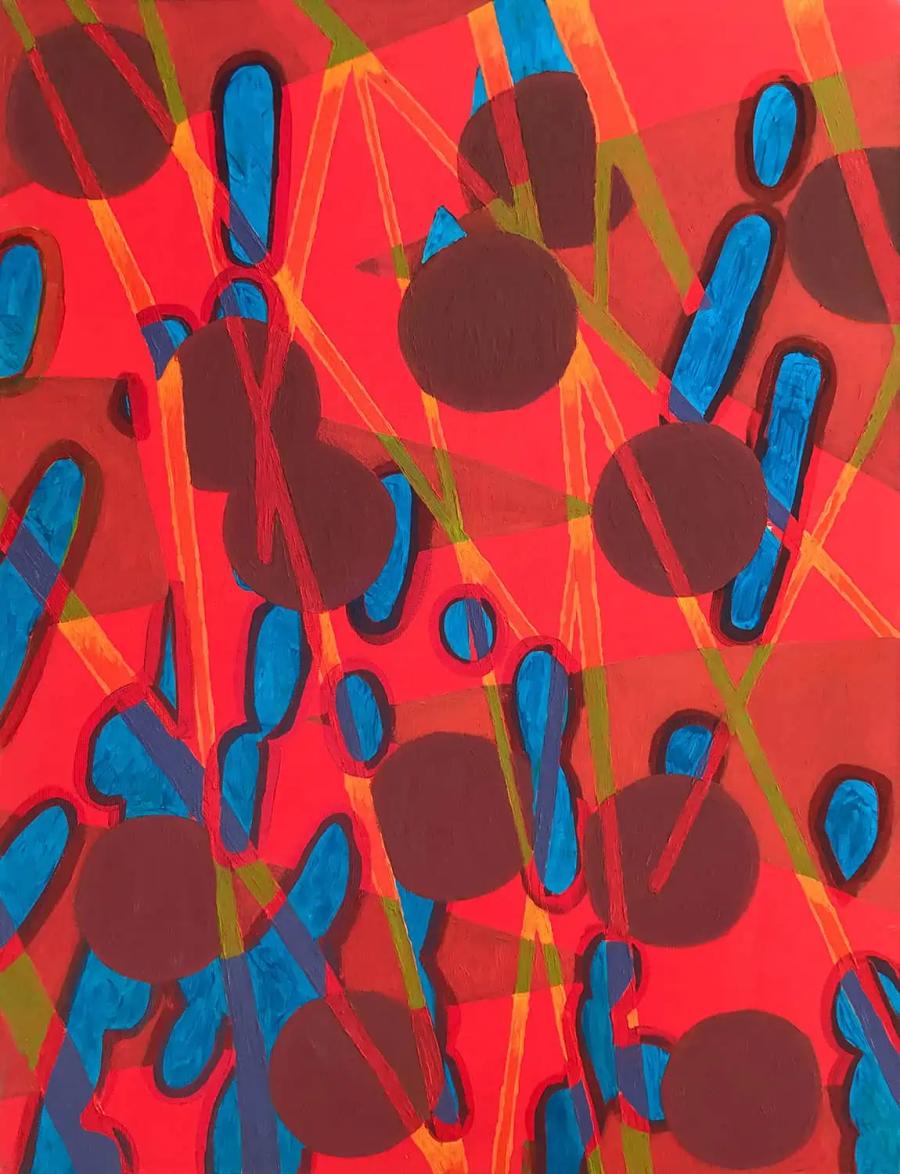
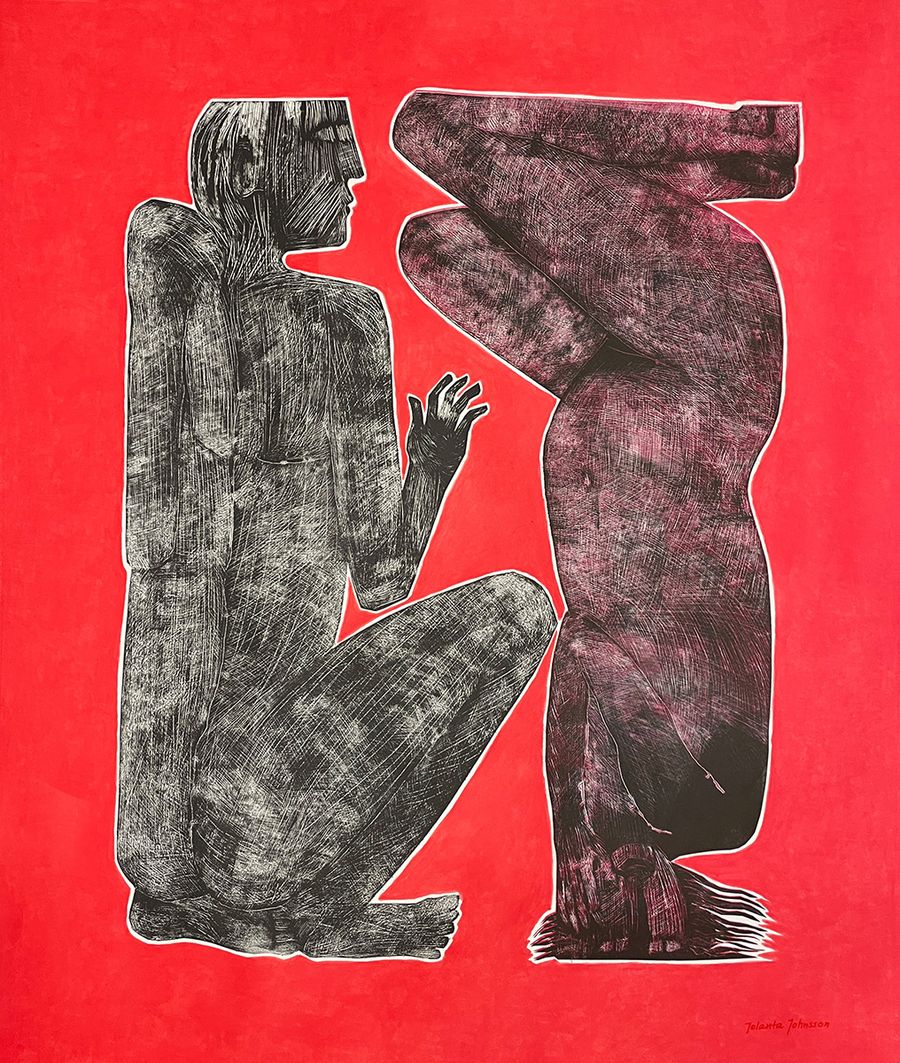
Continue Reading
More From the Studio
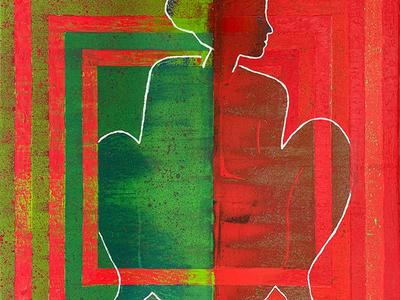
The Line Down the Middle
She sits inside a painting split clean in half — green on one side, red on the other, a single white line running through her like a decision that never resolves. The story behind Between Green and Red, and the quiet architecture we build around our own contradictions.

She has no name. Her existence is not in doubt
Is it worth portraying someone who is nobody? I asked myself that in the studio, and then I made the image anyway. Her existence is not in doubt — only her name is missing.

Sep 5
Can Color be a shelter?
A painting built from one question: can a colour become a place to hide inside? Jolanta Johnsson on making Pink as Shelter, the politics of pink, and the figure who chose the colour and made it her own.
Interested in Jolanta's work? Browse the gallery or get in touch.